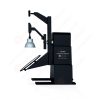
LM-79 Goniofotômetro Detector Móvel (Espelho Tipo C)
LSG-6000
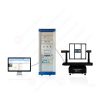
Goniofotômetro de luminária de rotação de alta precisão
LSG-1890B
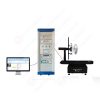
Goniospectroradiômetro de luminária de rotação de alta precisão
LSG-1890BCCD

Goniofotômetro para lâmpadas automotivas e de sinal
LSG-1950
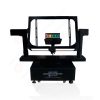
Goniofotômetro para lâmpadas de semáforos (modelo econômico)
LSG-1950S
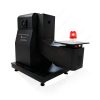
Dispositivo de alerta visual de alarme de incêndio VAD Goniofotômetro
LSG-1930
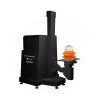
Goniofotômetro para iluminação de aeródromos
LSG-1940
Goniofotômetro compacto
LSG-1200A
Goniofotômetro LED
LSG-1100
Goniopotômetro com detector de movimento de campo próximo
LSG-1900B
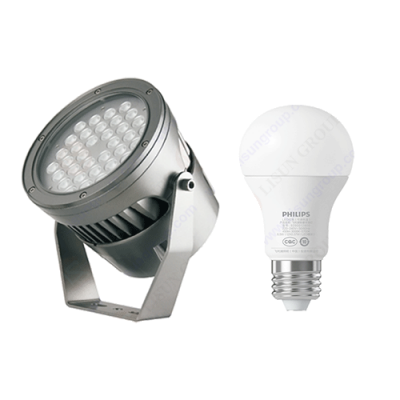 Soluções de teste de LEDs e luminárias
 LM-79 e LM-80 Soluções de teste
 Soluções de teste de driver de LED
 Soluções de teste para eletrodomésticos
 Soluções para testes móveis e de rede
 Soluções para testes de eletrônicos automotivos
 Soluções de teste de áudio e vídeo e TI
 Soluções para testes de cabos e fios
 Soluções de teste de plugues e soquetes
 Soluções de teste de interruptores de energia
 Soluções de teste de transformadores
 Soluções de teste para brinquedos elétricos
 Soluções de teste de medidores de energia
 Soluções de teste de ferramentas motorizadas
Selecione uma organização
para navegar pelos padrões
Sumário
UL 94 is a widely‑adopted international specification for flammability classification of plastic materials, and the UL 94 Flammability Test Apparatus serves as core testing equipment for material laboratories, third‑party certification bodies and quality‑control departments of electrical and electronic manufacturers. The horizontal‑vertical flame tester is a flammability‑testing device designed by LISUN specifically for electrical equipment and plastic components. It performs horizontal and vertical flammability tests on materials and focuses on determining material flammability ratings. Equipped with a standard burner and designated gas source (methane or propane), the apparatus applies flame to horizontally or vertically positioned specimens for a defined duration with specified flame height and flame angle. Based on indicators such as ignition time, afterglow duration and burning length, it accurately evaluates material flammability and fire hazard risks, and delivers critical data for product safety design and quality control. During procurement of the UL 94 Flammability Test Apparatus, laboratories should not only focus on purchase price, but comprehensively evaluate standard compliance, hardware precision, calibration accessories, safety structure, functional coverage and after‑sales support. Taking LISUN HVR‑LS horizontal‑vertical flame tester as the research subject, this paper sorts out key evaluation factors for purchasing the UL 94 Flammability Test Apparatus and analyzes selection priorities for different application scenarios. It helps laboratories avoid wrong equipment selection and ensures repeatability and validity of subsequent test data.
With rapid development of electrical‑electronic, lighting and information‑technology equipment industries, engineering plastics are extensively used for housings, insulating brackets and internal isolation components. The combustion performance of these materials directly determines the fire safety of finished products. The UL 94 standard classifies plastics into multiple flammability grades including HB, V‑0, V‑1, V‑2, 5VA and 5VB, and different grades correspond to distinct application scenarios. Electrical and electronic products exported to overseas markets are generally required to submit material flammability test reports based on UL 94. The UL 94 Flammability Test Apparatus is dedicated equipment to complete such classification testing. It corresponds to domestic standard GB/T 2408‑2021, GB/T 5169 series and international standard IEC 60695‑11 series.
Many laboratories fall into the price‑first trap in the procurement phase and select simplified versions of the UL 94 Flammability Test Apparatus which lack essential flame‑calibration assemblies and suffer insufficient timing and gas‑control accuracy. Though simplified units can demonstrate basic combustion phenomena, they cannot generate test data valid for certification purposes. For third‑party testing laboratories, non‑compliant equipment may lead to audit failure. For in‑house R&D laboratories of manufacturers, unreliable test results will mislead material selection and introduce fire‑safety risks for end products. As the mainstream implementation form of the UL 94 Flammability Test Apparatus, the horizontal‑vertical flame tester can perform full‑grade UL 94 testing and satisfy domestic fire‑hazard test requirements, realizing multi‑standard reuse on a single instrument.
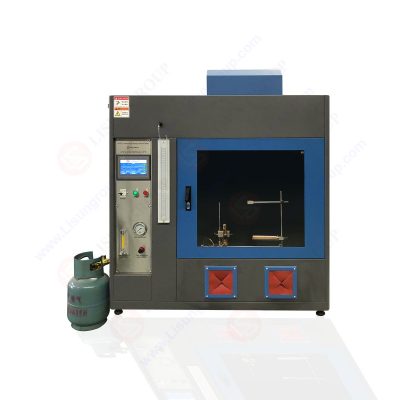
HVR-LS Verificador vertical horizontal da chama
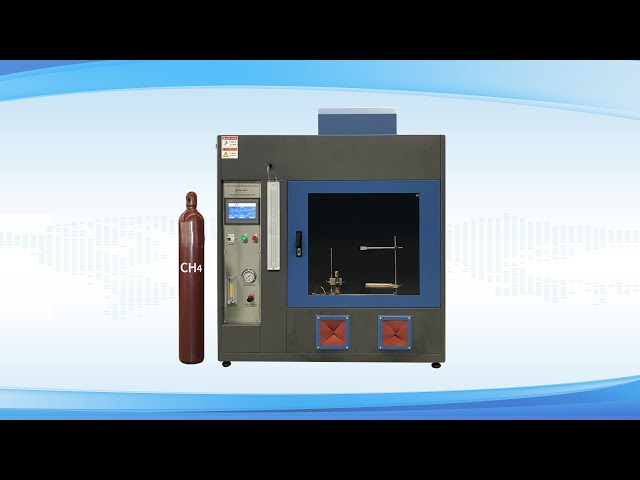
LISUN HVR‑LS series horizontal‑vertical flame tester is a fully‑configured UL 94 Flammability Test Apparatus. It provides two variants: cabinet‑integrated HVR‑LS and cabinet‑free HVR‑LSS for different laboratory space conditions and testing frequencies. This series supports standard HB, V‑0/V‑1/V‑2 testing with optional 5V high‑level flammability test. It is supplied with standard 50W copper block and thermocouple calibration assembly, and 500W calibration kit is available as an option to meet mandatory flame‑power confirmation requirements specified by UL 94. Main technical parameters of this series are shown in Table 1.
| Item de Parâmetro | HVR‑LS (with test cabinet) | HVR‑LSS (without test cabinet) |
|---|---|---|
| Funções de teste | HB & V‑grade as standard; 5V grade optional; standard 50W copper block + thermocouple, optional 500W calibration kit | HB & V‑grade as standard; 5V grade optional; standard 50W copper block + thermocouple, optional 500W calibration kit |
| Medição de Tempo | Burning time, after‑flame time and after‑glow time: 0~999.9s adjustable, timer accuracy 0.1 s millisecond‑level linear measurement | Burning time, after‑flame time and after‑glow time: 0~999.9s adjustable, timer accuracy 0.1 s millisecond‑level linear measurement |
| Ângulo do queimador | Standard 0°/20°/45°, custom angles available | Standard 0°/20°/45°, custom angles available |
| Flame Height Adjustment Range | 20~175 mm, precise calibration per standard | 20~175 mm, precise calibration per standard |
| Gas Supply Condition | Methane / Propane, flow rate 0‑1 L/min adjustable, air pressure 0‑0.25 MPa, optional electronic gas flowmeter | Methane / Propane, flow rate 0‑1 L/min adjustable, air pressure 0‑0.25 MPa, optional electronic gas flowmeter |
| Standard Burner Specification | Inner tube diameter 9.5±0.3 mm, length 100±10 mm | Inner tube diameter 9.5±0.3 mm, length 100±10 mm |
| Body and Operation Mode | High‑temperature coated steel structure, LCD touch screen + indicator lights + remote‑control operation | High‑temperature coated steel structure, LCD touch screen + indicator lights + remote‑control operation |
| Peso bruto | 180kg | 40kg |
According to UL 94 requirements, burner inner diameter, flame‑height adjustment range and timing precision are fundamental mandatory indicators. Some low‑cost UL 94 Flammability Test Apparatus omit copper‑block and thermocouple calibration components and only rely on visual observation to set flame height, which brings substantial systematic deviation to flame thermal power measurement and test results. The closed‑cabinet model stabilizes airflow inside test chamber and avoids external air disturbance to combustion status, making it suitable for high‑frequency certification‑grade testing. Cabinet‑free versions fit for in‑house R&D comparative screening and require well‑performing laboratory fume hoods.
Standard Coverage and Test‑grade Compatibility
In the early procurement stage, laboratories need to clarify business scope. If only HB, V0‑V2 material screening is required, the equipment shall at least fully support 50W flame confirmation test. To perform high‑level 5VA and 5VB testing, the UL 94 Flammability Test Apparatus must be equipped with complete 500W flame confirmation kit including copper block and thermocouple. Third‑party certification laboratories require instruments compatible with UL 94, GB/T 2408‑2021 and IEC 60695‑11 series standards. Multi‑standard testing on one single unit reduces repeated instrument investment. Review equipment manuals before purchase and verify burner dimension, angle adjustment and flame‑confirmation assembly configuration to prevent hardware non‑compliance with standard clauses.
Calibration and Traceability Capability of Instrument
The UL 94 standard specifies periodic flame confirmation tests for the UL 94 Flammability Test Apparatus. Copper‑block‑thermocouple system shall be used to verify flame heating rate instead of merely visual flame‑height check. During procurement, buyers should confirm delivery of standard copper block and K‑type thermocouple assembly and verify these parts can be sent to metrology institutes for calibration. Timer module, gas pressure gauge and flowmeter shall also support metrological traceability. Even with similar appearance, equipment lacking calibration accessories cannot generate official test reports. Flame confirmation test must be re‑executed after gas replacement or burner nozzle change. Therefore calibration assemblies are essential for certification laboratories and should not be treated purely as aftermarket options.
Mechanical Structure and Operational Safety Design
Open flame and corrosive flue gas will be produced during testing with UL 94 Flammability Test Apparatus. In terms of mechanical design, specimen clamps shall allow multi‑dimensional fine adjustment to hold specimens of different sizes. Burner angles shall have clear gear positions with small angular scale error. Closed cabinet models need reliable exhaust system to discharge combustion flue gas after test completion. Remote‑control function enables operators to stay away from combustion chamber and mitigate safety risks caused by open flame. Gas‑path sealing performance is critical, because methane and propane are flammable gases. Gas‑leak alarm accessory is optional for laboratories with higher safety requirements. Machine body adopts high‑temperature resistant coated steel to resist corrosion from plastic combustion flue gas and extend service life.
Data Logging and Application‑scenario Adaptation
UL 94 testing requires recording many experimental phenomena including after‑flame time, after‑glow time, burning length and whether molten drips ignite underlying cotton padding. The timing system of UL 94 Flammability Test Apparatus must achieve 0.1 s precision and automatically record time parameters to minimise human error from manual stopwatch operation. In‑house R&D laboratories can choose cabinet or cabinet‑free versions based on testing frequency. Third‑party certification laboratories prefer fully closed cabinet models to reduce airflow interference. Some laboratories also require data‑export function for LIMS connection and report archiving.
Supplier After‑sales and Technical Service Capability
The UL 94 Flammability Test Apparatus is professional safety‑testing equipment. Burner nozzles, ignition electrodes and thermocouples are consumable parts requiring periodic replacement. At procurement stage, assess supplier technical support capability and confirm availability of operator training, standard interpretation and continuous supply of spare consumables. After equipment delivery, suppliers shall assist installation and commissioning and train operators to perform flame confirmation tests. Do not only compare unit price; evaluate total life‑cycle cost of the instrument.
When sourcing the UL 94 Flammability Test Apparatus, some purchasers only compare appearance and quotation and end up with simplified demonstration‑only devices unfit for certification testing. Other users assume successful ignition equals full UL 94 compliance and ignore the necessity of 500W flame kit for 5V‑grade testing, so high‑level tests cannot be implemented afterwards. Distinction shall be made between R&D comparative test equipment and certification‑grade instruments. In‑house material screening may allow looser requirements, while instruments for external test reports must fully comply with standard text and maintain complete metrological traceability chain. The horizontal‑vertical flame tester is a flammability‑testing device designed by LISUN specifically for electrical equipment and plastic components. Fully‑configured units satisfy both in‑house R&D‑QC and third‑party certification scenarios.
UL 94 flammability test is an important evaluation method for plastic fire safety. Performance of the UL 94 Flammability Test Apparatus directly determines validity of test data. Laboratories should not take price as the sole decision‑making factor when purchasing such instruments. Comprehensive assessment shall cover standard compliance, calibration accessories, mechanical safety structure, data‑logging performance and supplier technical services. As a mature UL 94 Flammability Test Apparatus, LISUN HVR‑LS horizontal‑vertical flame tester fully meets hardware requirements of UL 94, GB/T 2408 and IEC 60695‑11 series standards for burner, timing system and flame‑confirmation assemblies. It satisfies diverse testing demands from manufacturer R&D‑QC departments and third‑party certification laboratories. Proper equipment selection guarantees accurate and reliable plastic flammability classification results and provides credible experimental data support for material selection and product safety design of electrical‑equipment plastic parts.
Tag:HVR-LSSeu endereço de email não será publicado. Campos obrigatórios são marcados *

 Inglês
 中文简体
 Русский
 Español
 Português
 Türkçe
 العربية
 Deutsch
 Polski
 Italiano
 Français
 한국어
 ไทย
 Tiếng Việt
 日本語