LM-79 Goniofotômetro Detector Móvel (Espelho Tipo C)
LSG-6000
Goniofotômetro de luminária de rotação de alta precisão
LSG-1890B
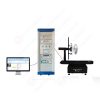
Goniospectroradiômetro de luminária de rotação de alta precisão
LSG-1890BCCD

Goniofotômetro para lâmpadas automotivas e de sinal
LSG-1950
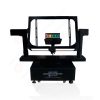
Goniofotômetro para lâmpadas de semáforos (modelo econômico)
LSG-1950S
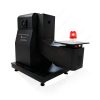
Dispositivo de alerta visual de alarme de incêndio VAD Goniofotômetro
LSG-1930
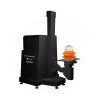
Goniofotômetro para iluminação de aeródromos
LSG-1940
Goniofotômetro compacto
LSG-1200A
Goniofotômetro LED
LSG-1100
Goniopotômetro com detector de movimento de campo próximo
LSG-1900B
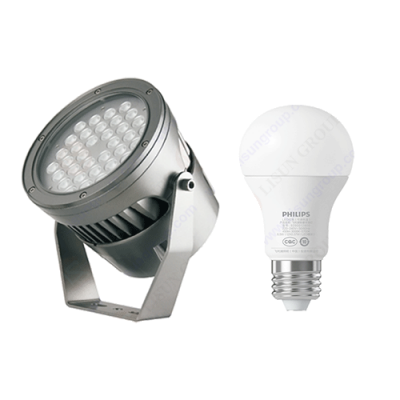 Soluções de teste de LEDs e luminárias
 LM-79 e LM-80 Soluções de teste
 Soluções de teste de driver de LED
 Soluções de teste para eletrodomésticos
 Soluções para testes móveis e de rede
 Soluções para testes de eletrônicos automotivos
 Soluções de teste de áudio e vídeo e TI
 Soluções para testes de cabos e fios
 Soluções de teste de plugues e soquetes
 Soluções de teste de interruptores de energia
 Soluções de teste de transformadores
 Soluções de teste para brinquedos elétricos
 Soluções de teste de medidores de energia
 Soluções de teste de ferramentas motorizadas
Selecione uma organização
para navegar pelos padrões
Abstrato:
Materials and electronic products are subjected to complex climatic stresses such as high and low temperatures, humidity alternation and abrupt temperature changes during actual service. Conventional room-temperature tests cannot effectively evaluate the failure risks of products under extreme working conditions. As core equipment for artificial climate simulation, the câmara de temperatura ambiental can reproduce dynamic temperature and humidity changes in nature to carry out accelerated reliability tests. Taking the LISUN high-low temperature humidity alternating test chamber (GDJS‑015B) as the research object, this paper describes the working principle, key technical specifications, test items of the environmental temperature chamber, as well as its engineering practice in reliability R&D verification across multiple industries. Combined with parameter table analysis of equipment performance, it provides references for environmental adaptability R&D and quality verification of electronic components, LED lighting, polymer materials and other products.
1 Introdução
Products in modern manufacturing are deployed across a wide geographic range, from frigid low-temperature regions to coastal high-temperature and high-humidity areas. Cyclic changes in temperature and humidity may cause aging and cracking of polymer materials, parameter drift of electronic devices, and failure of sealing components. Natural outdoor exposure tests take a long time and fail to meet the rapid iteration requirements of product R&D. With a sealed controllable cavity, the environmental temperature chamber builds standardized combined temperature-humidity stress conditions to complete environmental adaptability and reliability verification in laboratories. It shortens the R&D verification cycle and exposes potential defects of materials and products in advance.
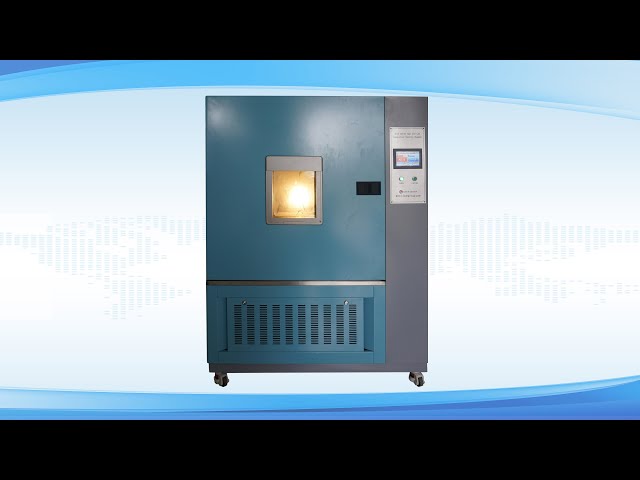
O LISUN GDJS‑015B high-low temperature humidity alternating test chamber is a multi-functional composite environmental temperature chamber. It complies with domestic and international environmental test standards including GB/T 2423 and IEC 60068. It is widely used for reliability screening, type inspection and accelerated aging tests in the R&D phase of LED luminaires, automotive electronic components, plastic polymer materials and electrical assemblies. It supports multiple test modes such as constant high-temperature test, low-temperature storage test, temperature-humidity alternating cycle test and damp-heat aging test, providing test data support for product design optimization.
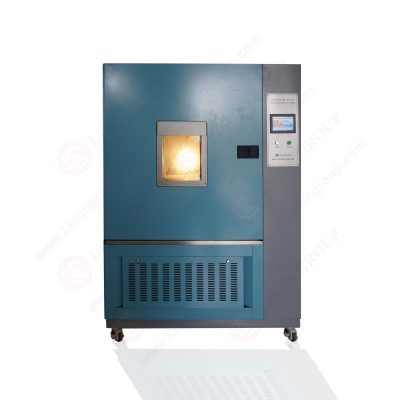
GDJS-015B Câmara de umidade e temperatura | Câmara Térmica
2 Working Principle and Hardware Structure of Environmental Temperature Chamber
The environmental temperature chamber mainly consists of cavity thermal insulation structure, refrigeration system, heating system, humidification and dehumidification unit, sensor assembly and programmable control system. The inner tank is made of SUS304 stainless steel to resist damp-heat corrosion; the thermal insulation layer adopts polyurethane foam material to reduce heat exchange between the inside and outside of the cavity. The control system is equipped with PT100 platinum resistance temperature sensors and high-precision humidity sensors. The PLC programmable controller supports programming of customized temperature and humidity curves, and can set cycles of temperature rise, constant temperature, temperature drop and humidity switching. It simulates day-night temperature difference, condensation and humid heat and other real working conditions to implement accelerated environmental stress tests. The aging effect of natural environment over months or years can be compressed into several days or hundreds of hours to observe performance degradation and structural damage of samples.
Table 1 shows the core technical parameters of the LISUN GDJS‑015B environmental temperature chamber.
Table 1 Main Technical Parameters of LISUN GDJS‑015B Environmental Temperature Chamber
| Item de Parâmetro | GDJS‑015B Specification | Observações |
| Internal working chamber dimension | × 100 100 150 cm | Large volume for batch testing of multiple samples |
| Overall external dimension | × 245 160 231 cm | Integrated floor-standing laboratory equipment |
| Potência total nominal | 16.5 kW | Meets the heating/cooling and humidification load for large chamber volume |
| Faixa de temperatura de operação | ‑20℃~150℃ /‑40℃~150℃ /‑60℃~150℃ /‑70℃~150℃, multiple versions optional | Covers extreme cold low temperature to high temperature heat resistance conditions |
| Flutuação de temperatura | ± 0.5 ℃ | Instantaneous temperature fluctuation control inside the chamber |
| Uniformidade da temperatura | ≤±2 ℃ | Spatial temperature distribution deviation under no-load condition |
| Humidity operating range | 20%RH‑98%RH | Supports low humidity drying to high humidity condensation environment |
| Humidity control deviation | +2%RH /‑3%RH | Humidity control accuracy under high humidity conditions |
| Taxa de mudança de temperatura | Heating:1.0‑3.0℃/min; Cooling:0.7‑1.0℃/min | Programmable to simulate rapid temperature variation |
| Material interno do tanque | SUS304 aço inoxidável | Resistant to damp-heat corrosion, avoids contamination of test samples |
| Interface de comunicação | USB, RS485 | Supports data export and traceability of test process |
3 Main Test Items and Application Scenarios of Environmental Temperature Chamber
By using the environmental temperature chamber, R&D engineers can carry out various environmental adaptability verification projects, covering basic material property evaluation and reliability verification of finished products. Major test types include high-low temperature storage test, high-low temperature operation test, constant damp heat test, temperature-humidity alternating cycle test and rapid temperature change test.
For polymer material R&D, the environmental temperature chamber is used to observe hardness change, warpage and cracking of plastic and rubber materials after high-low temperature cycles, so as to evaluate material weather resistance. In the LED lighting industry, it can perform LM‑80 related thermal aging tests to detect luminous flux attenuation of light sources. Automotive electronic components need to pass alternating damp heat tests to simulate winter-summer alternation and high-humidity condensation environment for on-board equipment, and troubleshoot risks such as short circuit of circuit boards and poor contact of connectors. Electrical components are verified for electrical parameter drift under extreme high and low temperatures to ensure stable service of products across regions.
During the test, place the test samples on the sample rack inside the environmental temperature chamber. Set the test program in accordance with standards. After the test cycle, take out the samples and inspect appearance, dimension, electrical performance and mechanical indicators. Compare performance changes before and after the test to judge whether the environmental adaptability of materials or products meets design specifications. If cracking, deformation or functional failure occurs after testing, it indicates defects in current material formula, structure or component selection. R&D personnel can accordingly optimize formulation, structure and component selection.
4 Value Analysis of Environmental Temperature Chamber in Reliability R&D
Compared with outdoor field exposure tests, laboratory verification with the environmental temperature chamber has multiple advantages. First, test conditions are controllable; temperature and humidity parameters are precise and repeatable, ensuring consistent test conditions for batches of samples and high credibility of comparative test data. Second, test duration is controllable. Accelerated stress mode greatly shortens R&D verification cycle and speeds up new product iteration. Third, test conditions are not restricted by seasons and weather. Laboratories can perform reliability screening and pre-certification tests all year round.
Meanwhile, it should be noted that the environmental temperature chamber is laboratory simulation equipment. Accelerated tests cannot fully equate to natural environmental aging. Failure modes obtained from laboratory tests shall be comprehensively evaluated combined with actual field service feedback to guide product design improvement. The LISUN GDJS‑015B high-low temperature humidity alternating test chamber can stably reach the nominal temperature and humidity range even when samples are powered on under full load, solving the common pain point of competing equipment that fails to reach rated temperature and humidity under full load. It is suitable for reliability screening and pre-certification testing in the product R&D stage.
Conclusão 5
O câmara de temperatura ambiental is indispensable core equipment for environmental adaptability and reliability verification & development of materials and products. Featuring wide temperature and humidity range, high-precision control, large test cavity and complete safety protection system, the LISUN GDJS‑015B high-low temperature humidity alternating test chamber meets R&D and inspection requirements of multiple industries including electronics, lighting, polymer materials and automotive parts. By reasonably configuring temperature and humidity cycle programs of the environmental temperature chamber to reproduce various complex climatic environments, potential failure risks of materials and products can be identified in advance, providing quantitative test basis for formula optimization, structural improvement and component selection. It is of great engineering significance to improve the environmental reliability of domestic products and guarantee stable product service in different regions.
Tag:GDJS-015BSeu endereço de email não será publicado. Campos obrigatórios são marcados *

 Inglês
 中文简体
 Русский
 Español
 Português
 Türkçe
 العربية
 Deutsch
 Polski
 Italiano
 Français
 한국어
 ไทย
 Tiếng Việt
 日本語